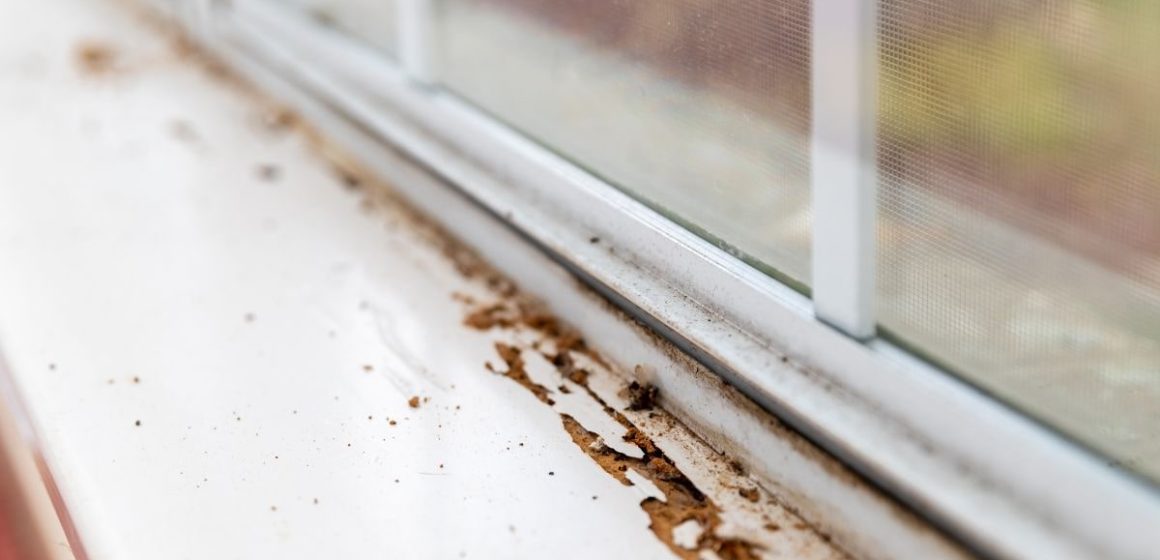
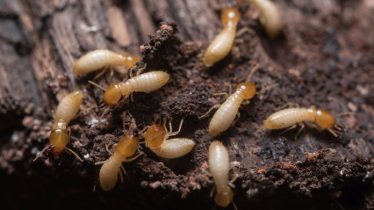
Several winter conditions can contribute to increased termite risk:
- Moisture build-up: Rain and reduced evaporation can increase damp conditions
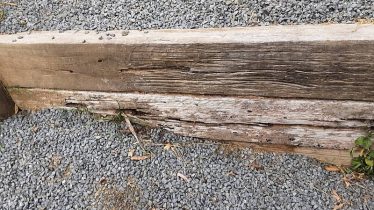
- Timber-to-soil contact: Garden beds, mulch, or structures close to the home
- Reduced inspections: Less visible activity may delay detection
These factors create suitable conditions for termites to remain active near or within a property.
Prevention Measures
Ongoing maintenance plays a key role in reducing termite risk:
- Maintain clear gaps between soil and structural timber
- Keep subfloors well ventilated
- Repair leaking taps, pipes, and drainage issues
- Avoid storing timber or debris against the home
- Ensure garden beds and mulch are not in direct contact with walls
Preventative measures should be supported by regular inspections.
Importance of Annual Inspections
Termite inspections are recommended at least once per year, regardless of season. Winter can be an effective time for inspection, as activity is often concentrated within structures rather than dispersed.
A professional inspection includes:
- Assessment of accessible areas, including roof voids and subfloors
- Identification of termite activity or damage
- Evaluation of risk factors around the property
- Recommendations for treatment or prevention
Treatment Options
If termite activity is identified, treatment may involve:
- Baiting systems: Designed to target and reduce the colony
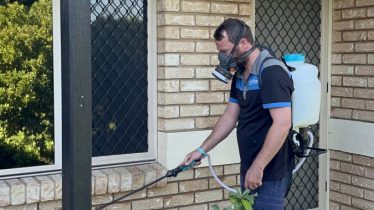
- Chemical barriers: Applied to protect structures from entry
- Monitoring systems: Used for ongoing detection and management
The appropriate method is determined based on the property, construction type, and level of activity.
Dunrite Pest Control Approach
Dunrite Pest Control provides termite inspections, treatment, and prevention services across residential and commercial properties. Systems such as reticulation and baiting solutions are implemented based on site-specific requirements.
All services are carried out following assessment, with a focus on compliance, safety, and long-term management.
Summary
Termites remain active during winter and can continue to cause structural damage without visible signs. Regular inspections, moisture control, and preventative measures are essential in reducing risk.
For properties in termite-prone areas, a structured management plan and routine inspections are recommended to maintain protection year-round.