Cockroaches remain active year-round but often move indoors in winter, preferring warm, humid areas such as kitchens, bathrooms, and laundries.
Common hiding spots:
- Under sinks
- Behind appliances
- Inside cupboards
Spiders
Spiders may enter homes during winter in search of prey and shelter. While many are harmless, some species require caution.
Where they are found:
- Ceiling corners
- Window frames
- Storage areas and garages
Why Pests Enter in Winter
During winter, pests are driven by three main factors:
- Shelter: Protection from cooler outdoor temperatures
- Food: Easy access to stored or exposed food sources
- Moisture: Reliable water sources indoors
Homes provide stable conditions that allow pests to remain active even when outdoor activity slows.
Prevention Tips
Reducing the risk of winter pest activity involves a combination of maintenance and awareness:
- Seal cracks and gaps around doors, windows, and walls
- Store food in sealed containers
- Keep kitchens and storage areas clean
- Remove clutter that can provide hiding spots
- Ensure bins are sealed and regularly emptied
- Address moisture issues such as leaks or damp areas
When to Arrange a Professional Inspection
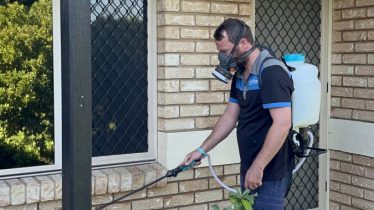
If there are signs of pest activity, or if preventative measures have not been effective, a professional inspection may be required. Early identification can help limit the spread and reduce potential damage.
Dunrite Pest Control provides inspections and treatment options for residential and commercial properties across the region. Services are tailored based on the pest type, property layout, and level of activity.
Summary
Winter can increase the likelihood of pests entering indoor spaces. Rodents, cockroaches, spiders, and ants are among the most common during this season. Identifying early signs and maintaining preventative measures can assist in managing pest activity.
For ongoing concerns or confirmed infestations, a structured pest management plan may be required following professional assessment.