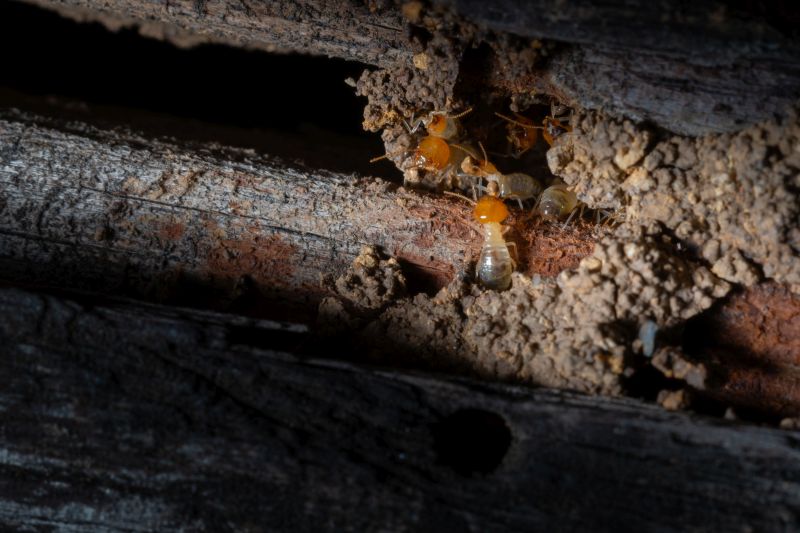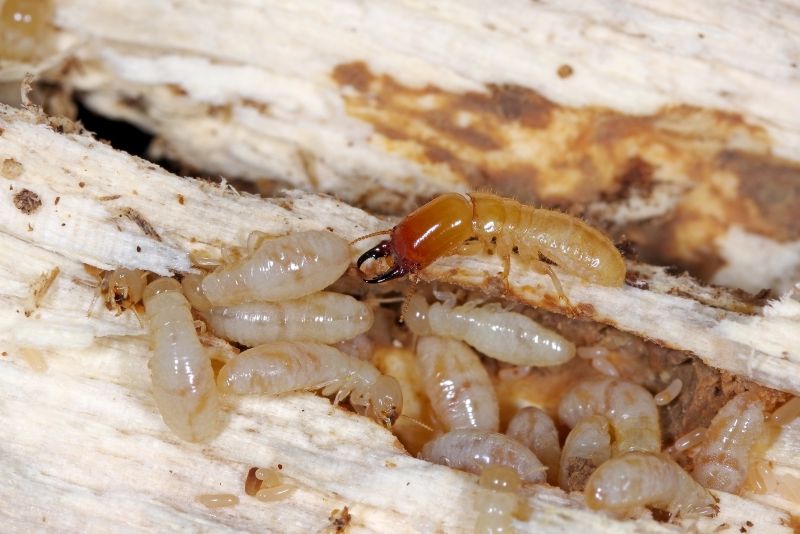
Wood Rot or Termites – Tell The Difference
If you see any signs of wood damage, you might think it’s either termites or some type of wood rot. Which does make you wonder, how do you know what situation you are in and how can you tackle the issue? Here are some of the main differences that you need to look out for here!
How can you tell the difference?
When you see any termites around, clearly the wood damage comes from them. However, sometimes you don’t even see the termites at all, so that makes you wonder what happens and how you can tell if you have any of them or it’s just wood rot.
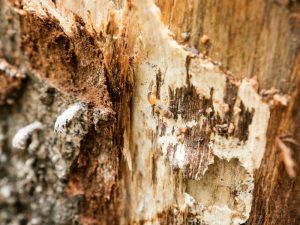 With that in mind, when you have termite damage, most of the time that means the wood is hollowed out, maybe even wavy. The wood rot will keep the wood soft and spongy. In many cases, the wood will fall apart even if you touch it, which does become some sort of an issue.
Another thing to note here is the fact that wood rot will bring in a specific odor. You will notice that right off the bat, which is not the case if you have termites. If these termites also invade wood rot, the sure that becomes quite the problem. Another important aspect is to see whether you have fungi there or not. When you see fungi, then that means wood rot is the issue here and you have to deal with it.
Understanding the types of wood rot
Dry rot will usually lead to wood decay and it appears when you have moisture content. Dry rot will attack wood that’s not treated in any way. With that being said, you will notice that the fungi here will grow and the wood will erode more and more. Wet rot on the other hand appears from water damage, and it will also be accompanied by a damp odor, discoloration and wood cracks.
As you can see, termite damage is quite different from wood rot. Most of the time wood rot also has fungi around, which makes it easier to identify. Yet in the end, you do need to talk with an exterminator so they can check for themselves. That way you can be certain there are no problems and you can actively eliminate termite problems as quickly as possible if there are any!
 What’s important to note is that termites are cold-blooded. And since their bodies are cold, they can survive in certain temperatures, but not well beyond that. So for the most part, termites will survive in temperatures above 25 degrees and lower than 100 degrees. While it’s possible for termites to survive some heat, they are not built to deal with extreme heat.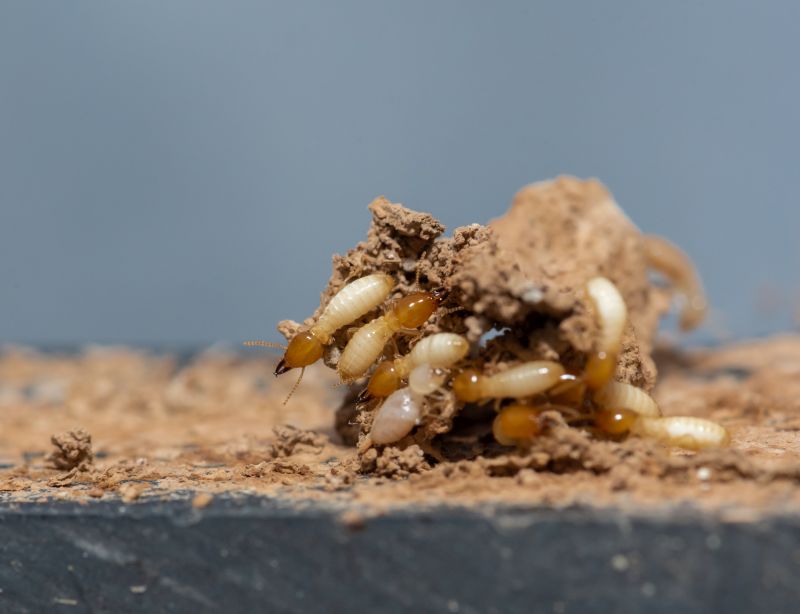
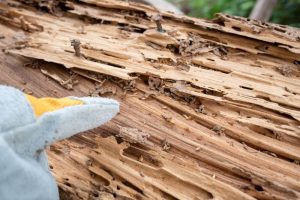 Ideally, you want to check and see if there are any signs of termites near your home. Those can be really easy to spot, from mud tubes outside of your home to damaged wood or even swarms of winged insects. There are other signs which are harder to spot, but for the most part these 3 things will be a telltale sign that you have termites.
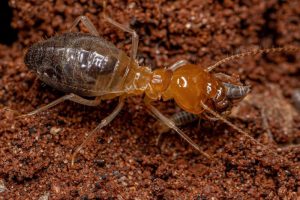 When it comes to size, termites have a small, maybe medium sized. Their body length is anywhere from a quarter to half an inch. So they aren’t very large, but some of them can be quite large. You also need to think about coloring too. For the most part, termites will range in color. Some of them are white, others are light brown.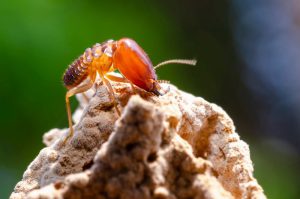
 Every type of pest has different Pest Control measures you need to take. Obviously the measures differ between a rat and ants for example. The Pest Control team will know exactly what methods to use and ensure that these pests are adequately removed from your home. It’s the ideal way to eliminate any pests properly, and the results you can get are nothing short of impressive all the time. Knowing the source of these pests is also one of the things a Pest Control service can do for you.
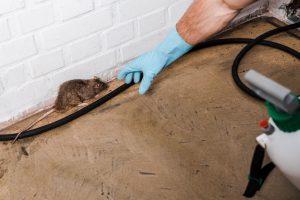 You don’t want to perform Pest Control tasks in Brisbane on your own. Why is that? These can be dangerous, they involve chemicals and other unwanted compounds. That’s why addressing all these issues can indeed make a huge difference.
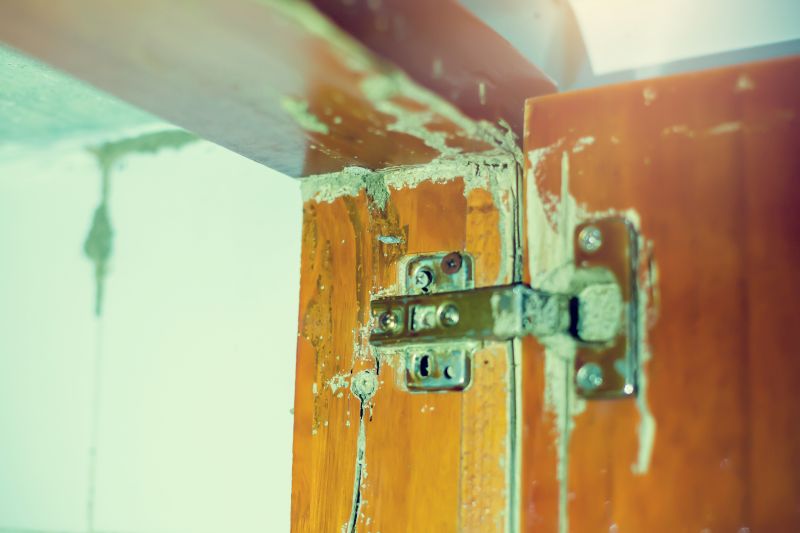 Generally termites will always try to find new places where they can eat food, so they will have scouts coming in. Which is why you want to monitor any kind of wood in your home. See if the floor boards are spongy or bouncing, if the windows or doors are not shutting properly and if there are ripples in the paintwork. Other things you want to check are any mud spots, these can be in the plasterboard or any type of wood.